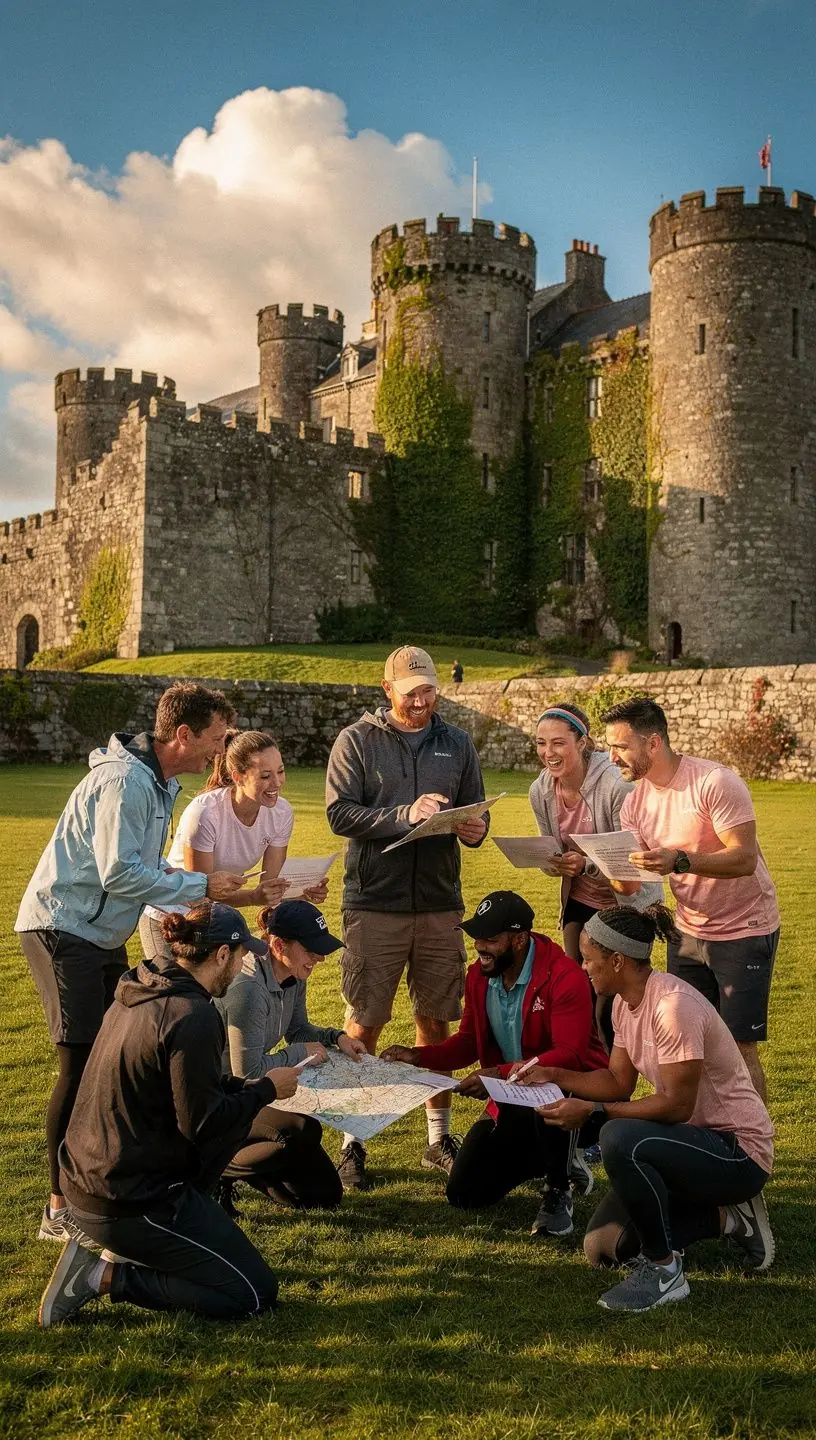
Practical Guide to Facilitating Team-Building Activities
In today’s corporate environment, effective team-building activities play a crucial role in fostering collaboration, enhancing communication, and boosting morale among employees. This guide aims to provide practical insights into facilitating structured group challenges that can significantly enhance team dynamics.
Understanding the Importance of Team-Building Activities
Studies show that team-building activities can improve productivity by 20-30% in similar workplace contexts. These activities are designed to strengthen interpersonal relationships and develop trust among team members, which are critical components of a high-functioning team. According to industry experts, team-building can lead to improved communication and cooperation, thereby contributing to overall workplace satisfaction.

"Team-building activities not only help in creating strong bonds but also in developing essential skills among team members." - Industry Expert
How to Facilitate Effective Team-Building Activities
Implementing successful team-building activities typically requires careful planning and consideration of team dynamics. Here are some practical steps to ensure effective facilitation:
- Set Clear Objectives: Define what you want to achieve from the activity. This could involve enhancing communication, resolving conflicts, or fostering collaboration.
- Choose Appropriate Activities: Select challenges that align with your objectives. Research indicates that activities should be suitable for your team’s size, interests, and existing relationships.
- Establish Ground Rules: Communicate the expectations for participation and attitude during the activities. This helps ensure that everyone feels comfortable and engaged.
- Encourage Participation: Actively involve all team members, ensuring that everyone has the opportunity to contribute. Many users report enhanced engagement when their voices are heard.
- Debrief After Activities: This is crucial for reinforcing what was learned during the activity. Discussing experiences allows team members to reflect on their behaviors and interactions, facilitating growth.
Considerations for Success
While team-building activities can be highly beneficial, there are several factors to consider:
- Time Commitment: Effective team-building typically requires a time investment, often spanning several hours or even days, depending on the complexity of the activities.
- Learning Curve: Some activities may involve a learning curve, especially those that introduce new skills or concepts. Preparation and practice are essential for optimal outcomes.
- Team Dynamics: These activities work best when team members are open to collaboration. In situations where resistance is present, results may vary.
Realistic Expectations
Results from team-building activities typically become apparent over time, often within 3-6 months, as relationships deepen and communication improves. It is important to manage expectations and recognize that not every activity will resonate with every team member.
Conclusion
In conclusion, facilitating team-building activities can be a rewarding experience that fosters stronger workplace relationships and enhances team performance. By following the outlined steps and considering the associated challenges, organizations can create an environment that promotes collaboration and growth. Remember, the goal is to educate and engage, leading to a more cohesive team.