Creating Inclusive Environments in Team Challenges
In the realm of corporate team-building, fostering an inclusive environment is essential for maximizing engagement and productivity. This article explores how structured group challenges can create such environments, and why this approach is beneficial for teams in Ireland.
Understanding the Importance of Inclusivity
Creating inclusive environments in team challenges is not just a buzzword; it is a necessity. According to research conducted by McKinsey & Company, diverse and inclusive teams can boost performance by up to 35% compared to their counterparts. This works because diverse perspectives often lead to more innovative solutions and enhanced problem-solving abilities.
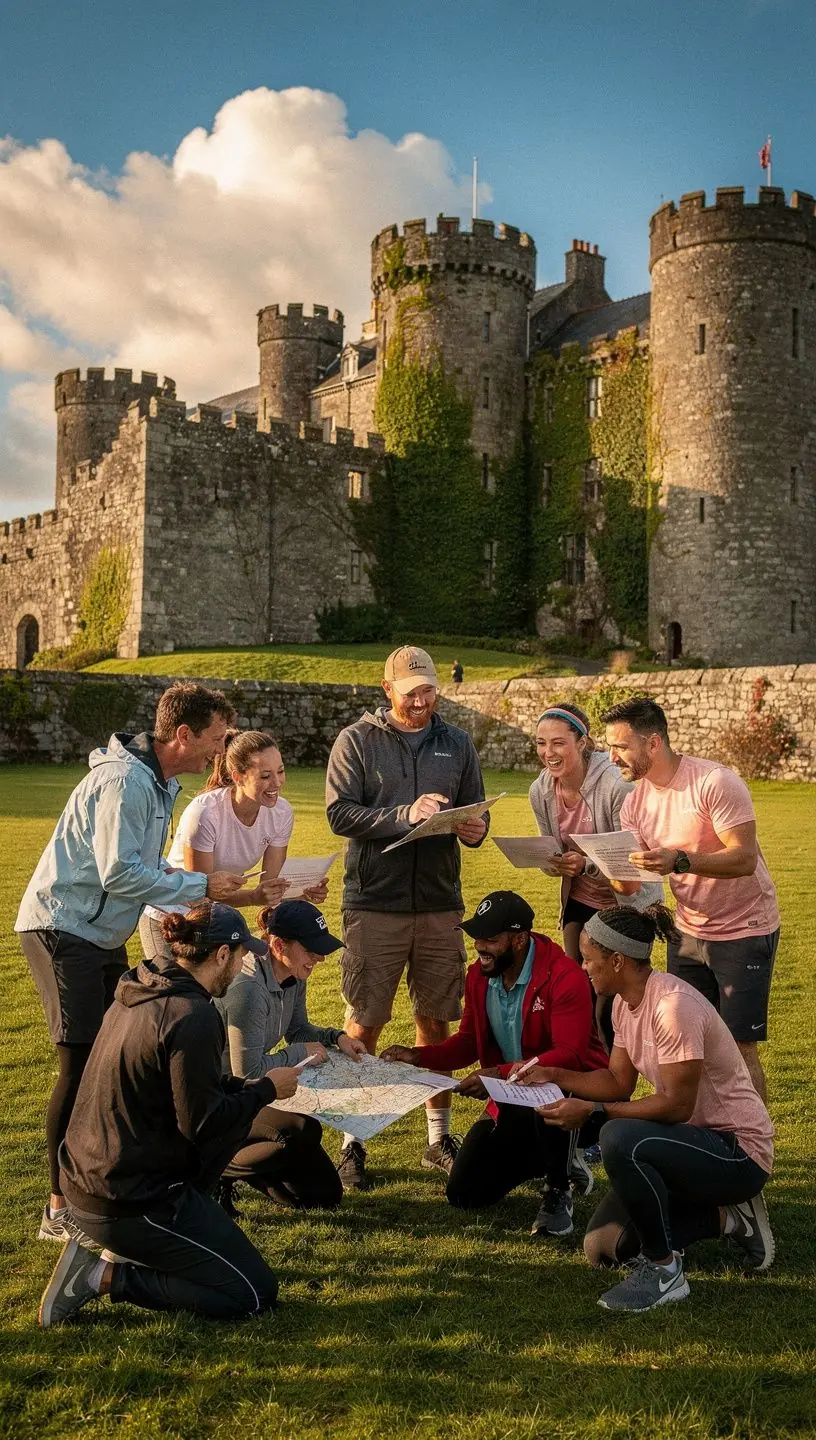
"Inclusive teams are not only more innovative but also more effective at achieving their goals." - Industry Expert
Key Elements of Inclusive Team Challenges
Incorporating inclusivity into team-building exercises involves several key elements:
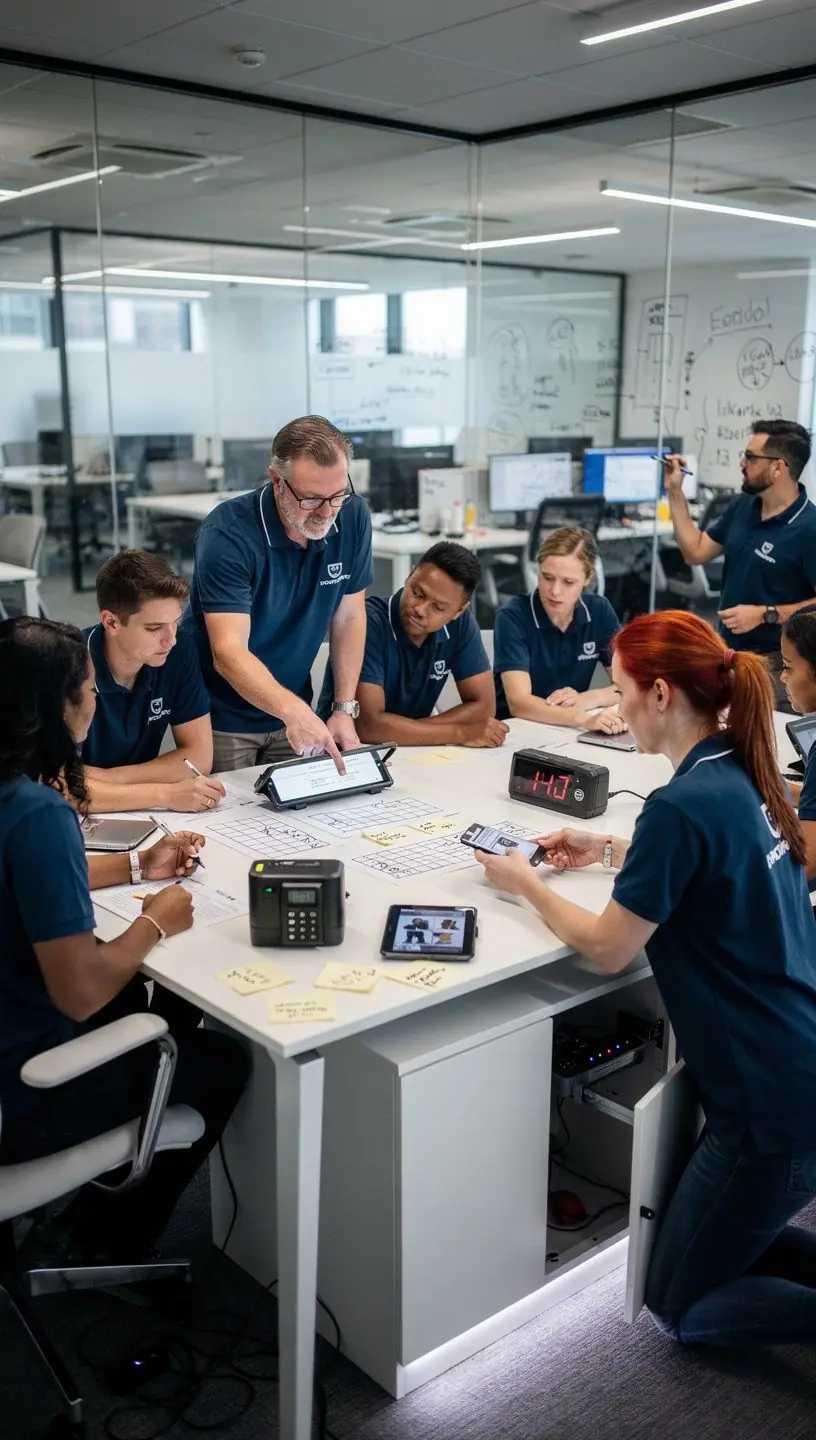
- Structured Activities: Activities should be designed to engage all participants, accommodating different skill sets and preferences. This can help ensure that everyone feels valued and included.
- Facilitator Training: Skilled facilitators can recognize and address any dynamics that may exclude certain team members. Training can enhance their ability to create a supportive atmosphere.
- Feedback Systems: Implementing a method for feedback post-challenge allows team members to express their experiences and suggestions for improvement, ensuring that future activities are even more inclusive.
Implementing Inclusive Practices
To create an inclusive environment during team challenges, consider the following practical applications:
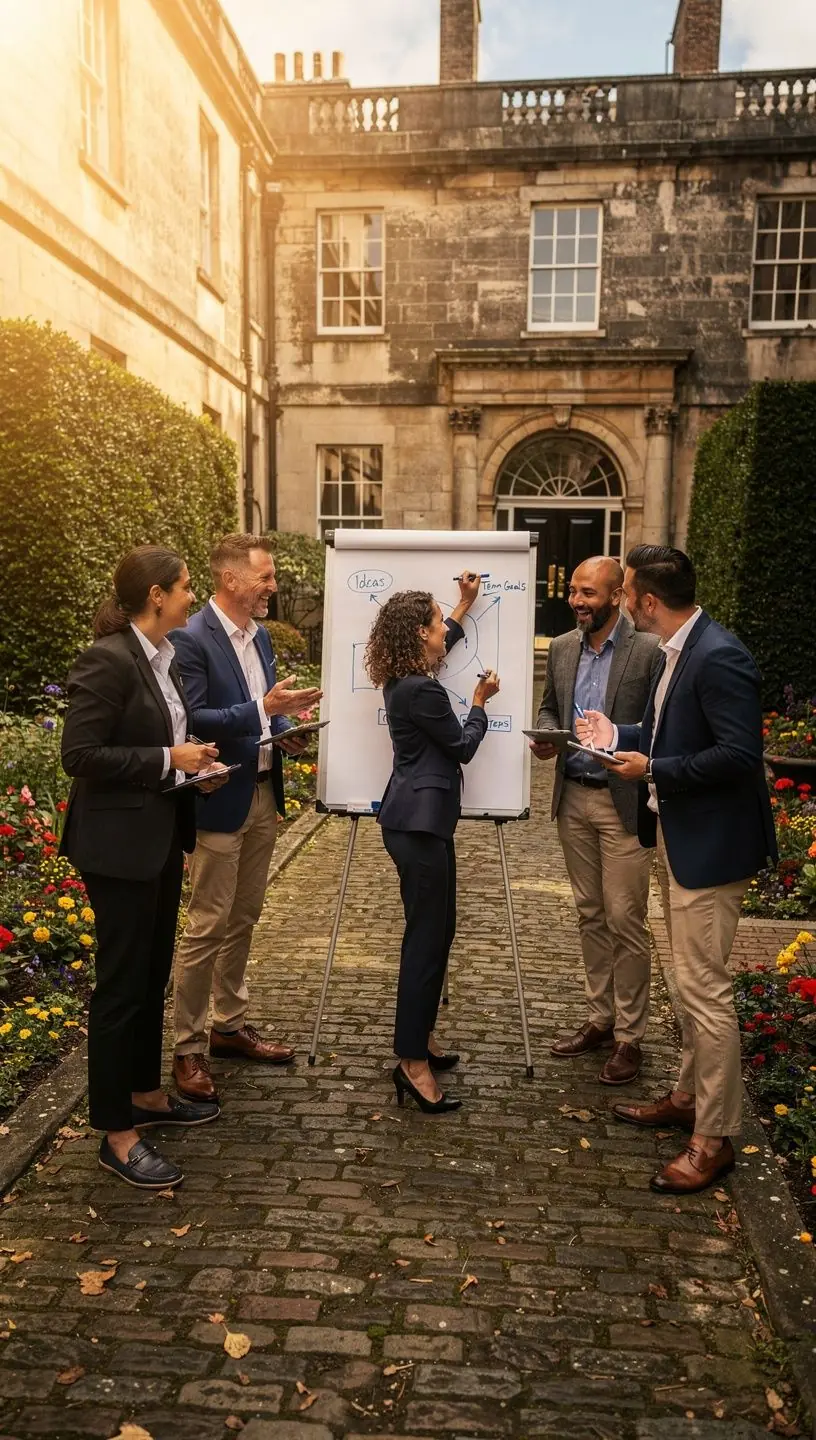
- Set Clear Objectives: Clearly articulate the goals of the challenge, ensuring that all participants understand their roles and responsibilities. This involves outlining what is expected from each team member.
- Encourage Participation: Actively encourage quieter team members to share their ideas and opinions. Research shows that fostering open communication can enhance team collaboration and morale.
- Celebrate Diversity: Recognize and celebrate the different backgrounds and skills of team members. This can be done through team-building activities that highlight unique talents or cultural insights.
Acknowledging Limitations
While creating an inclusive environment is beneficial, it is important to acknowledge that this process requires time and dedication. Typically, teams may need several sessions (2-4 weeks) to fully integrate inclusive practices. Additionally, it involves a learning curve for both facilitators and participants, who must be willing to adapt their communication styles and behaviors.
Conclusion
In summary, fostering inclusive environments in structured team challenges can significantly enhance team effectiveness and morale. By focusing on diverse participation, utilizing skilled facilitators, and implementing feedback mechanisms, teams can achieve greater collaboration and innovation. As studies suggest, investing time into cultivating inclusivity may lead to noticeable improvements in team performance, making it a worthwhile endeavor for corporations in Ireland and beyond.
Learn More